

Lumbar Stenosis: Symptoms, Treatment, and When Surgery Is Necessary
Lumbar stenosis is one of the most common causes of back and leg pain in people over 50. It occurs when the canal through which the spinal nerves pass gradually narrows, compressing the nerve roots and causing pain, numbness, and difficulty walking.
If you have noticed that you cannot walk long distances without stopping to rest, or that leg pain improves when you sit down or lean forward, you may be experiencing the classic symptoms of lumbar spinal stenosis.
In this article, Dr. Ricardo Martínez Pérez, spine surgeon in Puerto Vallarta, explains what lumbar stenosis is, how it is diagnosed, what treatments are available, and when surgery is recommended.
What Is Lumbar Stenosis?
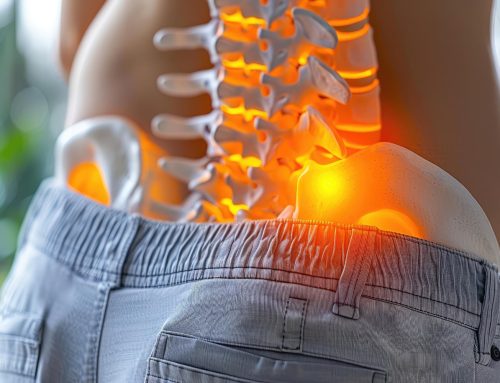
Lumbar stenosis is the narrowing of the spinal canal in the lower back (lumbar spine). This canal is the space through which the spinal cord and the nerves that run to the legs pass. When the canal narrows, the nerves become compressed and symptoms appear.
The most common cause is the natural wear of the spine with age. Over the years, intervertebral discs lose height, facet joints enlarge, ligaments thicken, and bone spurs may form. All of this contributes to progressively less space available for the nerves.
Although more common after age 50, lumbar stenosis can also occur in younger people who were born with a naturally narrow spinal canal or who suffered spinal injuries.
Symptoms of Lumbar Stenosis
Symptoms of lumbar stenosis appear gradually and tend to worsen over time. The most characteristic are:
Neurogenic claudication: the most typical symptom. This is pain, heaviness, or weakness in the legs that appears when walking or standing for prolonged periods and improves when sitting or leaning forward. Unlike circulatory problems, relief comes not from stopping, but from changing the position of the spine.
Lower back pain: pain in the lower back that may be constant or appear with certain activities.
Numbness and tingling: sensations of numbness in the legs, calves, or feet, which may affect one or both legs.
Leg weakness: difficulty lifting the foot, frequent stumbling, or a feeling that the legs do not respond as they used to.
Loss of balance: in advanced cases, nerve compression can affect balance and coordination when walking.
It is important to know that lumbar stenosis symptoms are variable — there are better days and worse days. Many people learn to adapt their activities, but without appropriate treatment the condition generally progresses.
How Is Lumbar Stenosis Diagnosed?
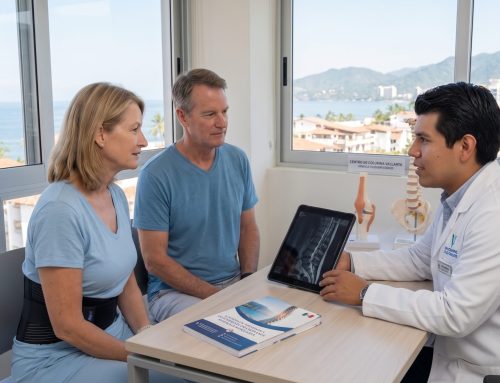
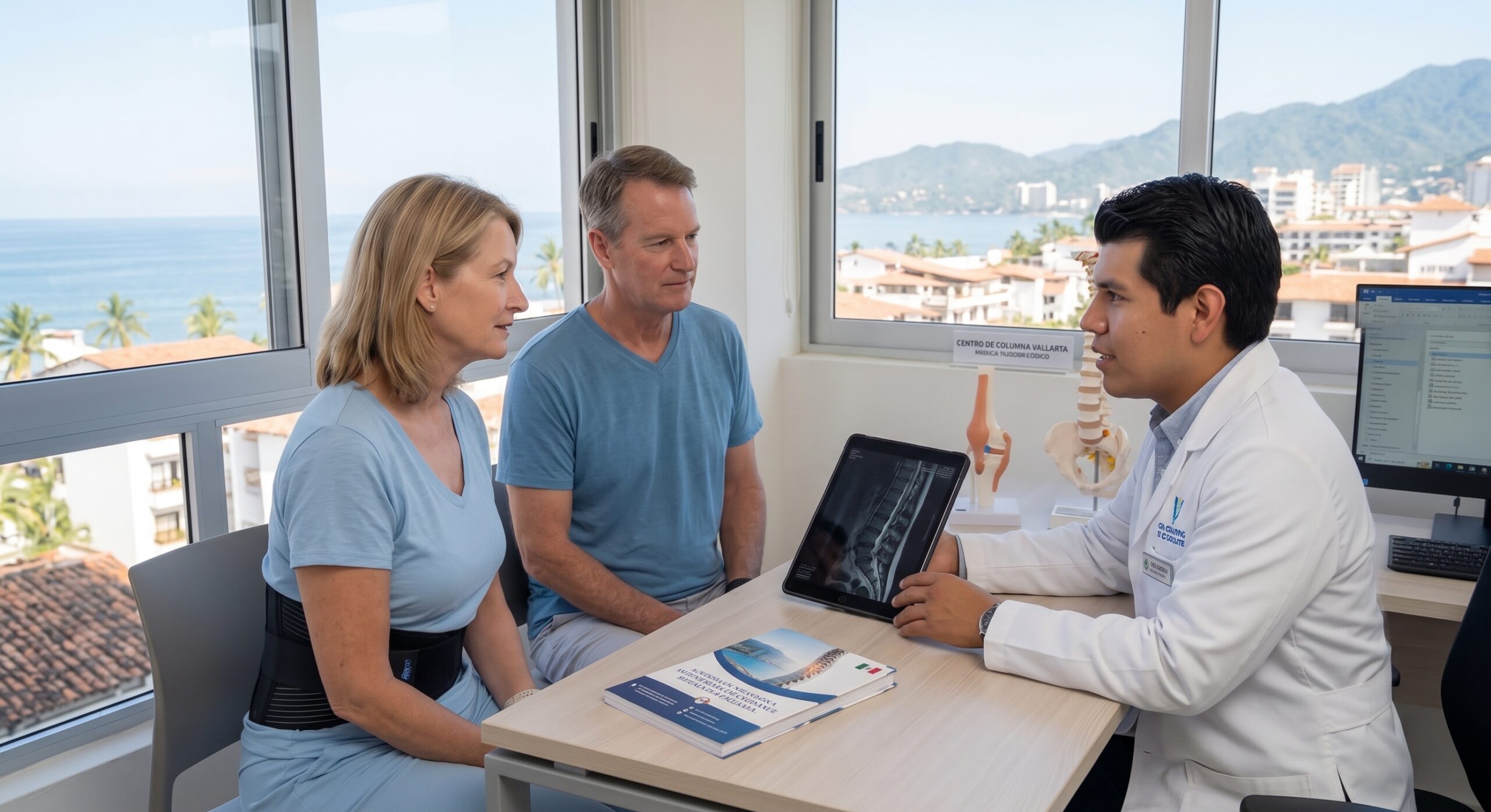
Diagnosis begins with a detailed clinical evaluation. Dr. Martínez performs a physical examination assessing the patient’s gait, reflexes, muscle strength, and leg sensation.
To confirm the diagnosis and determine the severity of the narrowing, imaging studies are used:
MRI (Magnetic Resonance Imaging): the most important study. It provides detailed visualization of the spinal canal, nerves, discs, and ligaments, and identifies exactly where and how much the canal is compressed.
X-rays: show spinal alignment, the presence of bone spurs, and the degree of joint wear.
CT scan (computed tomography): in some cases used to evaluate bone structures in greater detail, especially when an MRI is not possible.
Conservative Treatment for Lumbar Stenosis
Not all patients with lumbar stenosis need surgery. In fact, many manage their symptoms satisfactorily with conservative treatments, especially when the condition is detected at an early stage.
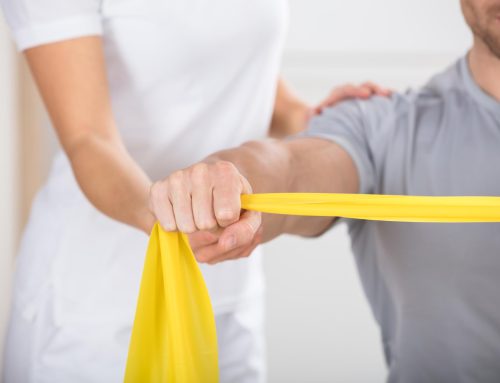
Physical therapy: a supervised exercise program is essential. Lumbar flexion exercises, core strengthening, and stretching help open the spinal canal and reduce pressure on the nerves. Physical therapy also improves posture, strength, and walking endurance.
Medications: non-steroidal anti-inflammatory drugs (NSAIDs) help control pain and inflammation. In some cases, muscle relaxants or neuropathic pain medications such as pregabalin or gabapentin are used.
Epidural injections: corticosteroid injections into the epidural space can provide significant temporary relief by reducing inflammation around the compressed nerves. While they do not cure stenosis, they can provide weeks or months of improvement.
Activity modification: learning to identify which postures and activities aggravate symptoms allows for daily life adjustments. For example, walking with a shopping cart or using a stationary bike is often more comfortable because the slightly flexed position opens the spinal canal.
When Is Surgery Needed for Lumbar Stenosis?
Surgery is considered when conservative treatments have failed to control symptoms after several months of appropriate treatment, or when the condition severely affects the patient’s quality of life.
The clearest indications for considering surgery are:
Pain or weakness in the legs prevents you from walking distances you previously had no problem with. Conservative treatments (physical therapy, medications, injections) have been attempted for at least 3 to 6 months without sufficient improvement. There is progressive muscle weakness in the legs or loss of bladder or bowel control, which constitutes a surgical emergency.
The most commonly used procedure is decompressive laminectomy, where the surgeon removes the portion of bone, ligament, and tissue compressing the nerves. It is a proven surgery with high success rates — most patients report significant improvement in leg pain and regain the ability to walk longer distances.
In cases where stenosis is accompanied by spinal instability or displacement of one vertebra over another (spondylolisthesis), it may be necessary to complement the decompression with a spinal fusion to stabilize the affected segment.
Lumbar Stenosis Surgery in Puerto Vallarta
Dr. Ricardo Martínez Pérez is a spine surgery specialist who treats patients with lumbar stenosis at OSSUM Traumatología y Ortopedia Avanzada in Puerto Vallarta, Jalisco.
The consultation includes a complete evaluation with imaging study review to determine whether conservative treatment is sufficient or whether surgery is the best option. Each case is approached individually, always prioritizing the least invasive treatment that resolves the problem.
For patients from the United States and Canada, spine surgery in Mexico represents a first-class care alternative at a fraction of the cost paid in North America. Dr. Martínez’s team offers remote video call evaluations, bilingual care, and support in coordinating the trip.
Frequently Asked Questions about Lumbar Stenosis
Can lumbar stenosis be cured without surgery?
Lumbar stenosis does not reverse on its own because the narrowing of the canal is a structural change. However, many patients successfully manage their symptoms with physical therapy, medications, and epidural injections, without the need for surgery.
At what age is lumbar stenosis most common?
Lumbar stenosis is most common after age 50 and its incidence increases with age. It is one of the most common reasons for spine surgery in people over 65. However, younger people with a congenitally narrow spinal canal can also develop it.
How long is recovery after lumbar stenosis surgery?
Most patients walk the same day or the day after surgery. Full recovery for normal activities typically takes 4 to 6 weeks. Leg pain generally improves immediately or within the first few days after decompression.
Is lumbar stenosis surgery dangerous?
Like any surgery, it carries risks including infection, bleeding, and nerve damage, but decompressive laminectomy is a well-established procedure with low complication rates. Dr. Martínez evaluates each case to minimize risks and determine whether the benefit outweighs the potential risks.
How much does lumbar stenosis surgery cost in Puerto Vallarta?
The cost depends on the complexity of the case. A decompressive laminectomy in Puerto Vallarta can cost a fraction of what is paid in the United States, where the procedure easily exceeds $50,000 to $100,000 USD. Dr. Martínez provides personalized quotes after the initial evaluation.
¿Está considerando operarse de columna en Puerto Vallarta? Contáctenos hoy?
Le respondemos en español o inglés y coordinamos su evaluación inicial sin compromiso.