
Adult Scoliosis: When Surgery Is Required
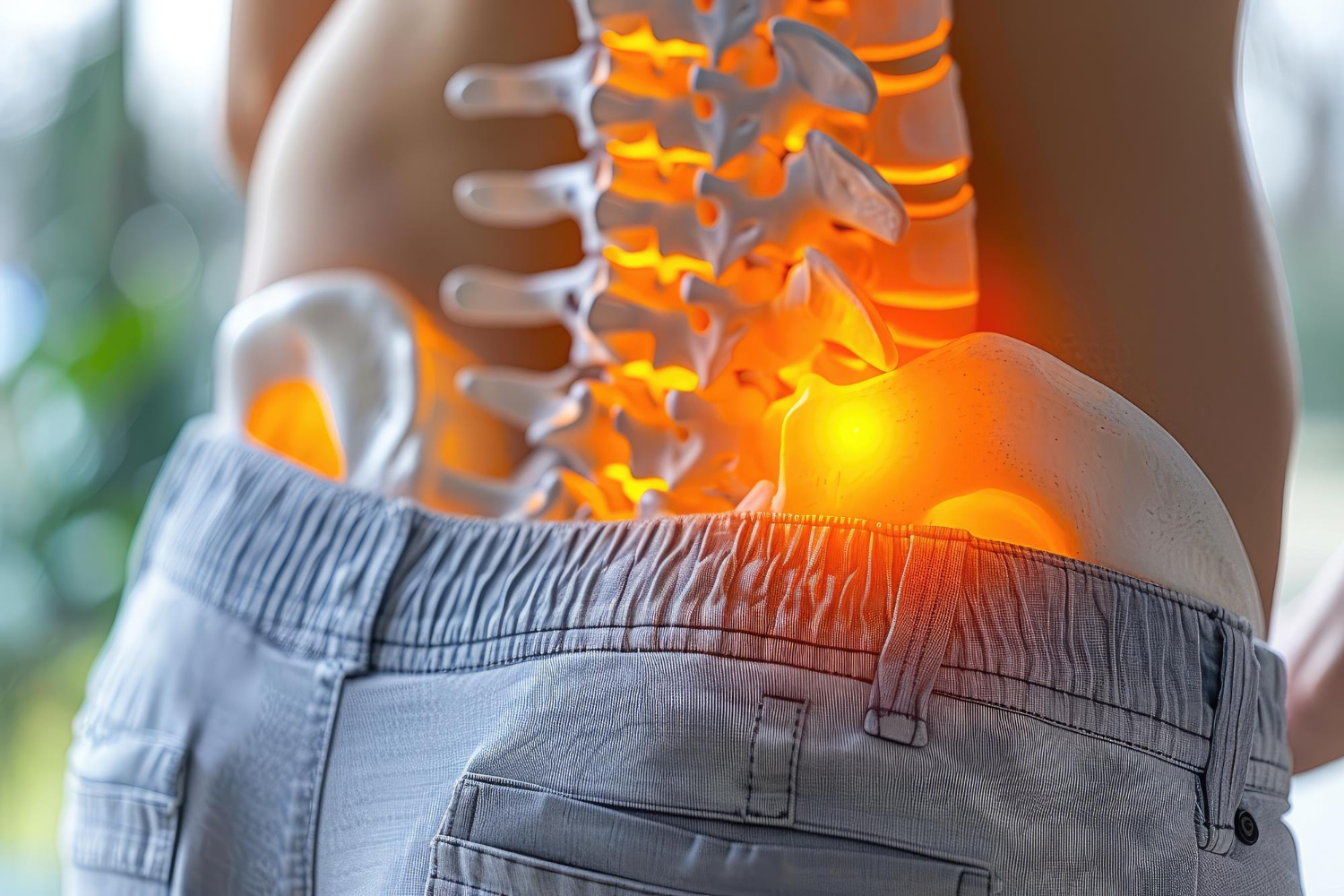
Adult scoliosis—an abnormal curvature of the spine—does not always require surgery. Most cases are managed conservatively; however, when the curve progresses or pain becomes debilitating, it is time to consider a specialized surgical evaluation.
What is adult scoliosis?
Unlike idiopathic scoliosis detected during adolescence, adult scoliosis typically develops due to the degenerative wear and tear of spinal discs and joints over time, usually after the age of 40 or 50. It can also stem from a childhood curvature that has slowly progressed over the years.
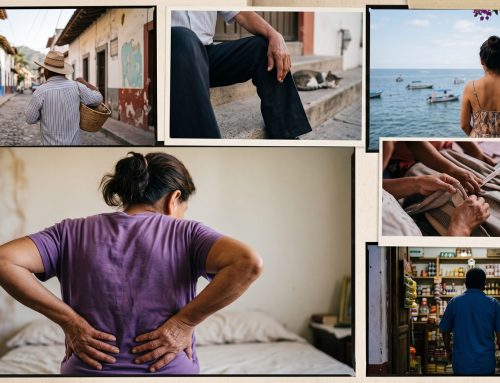
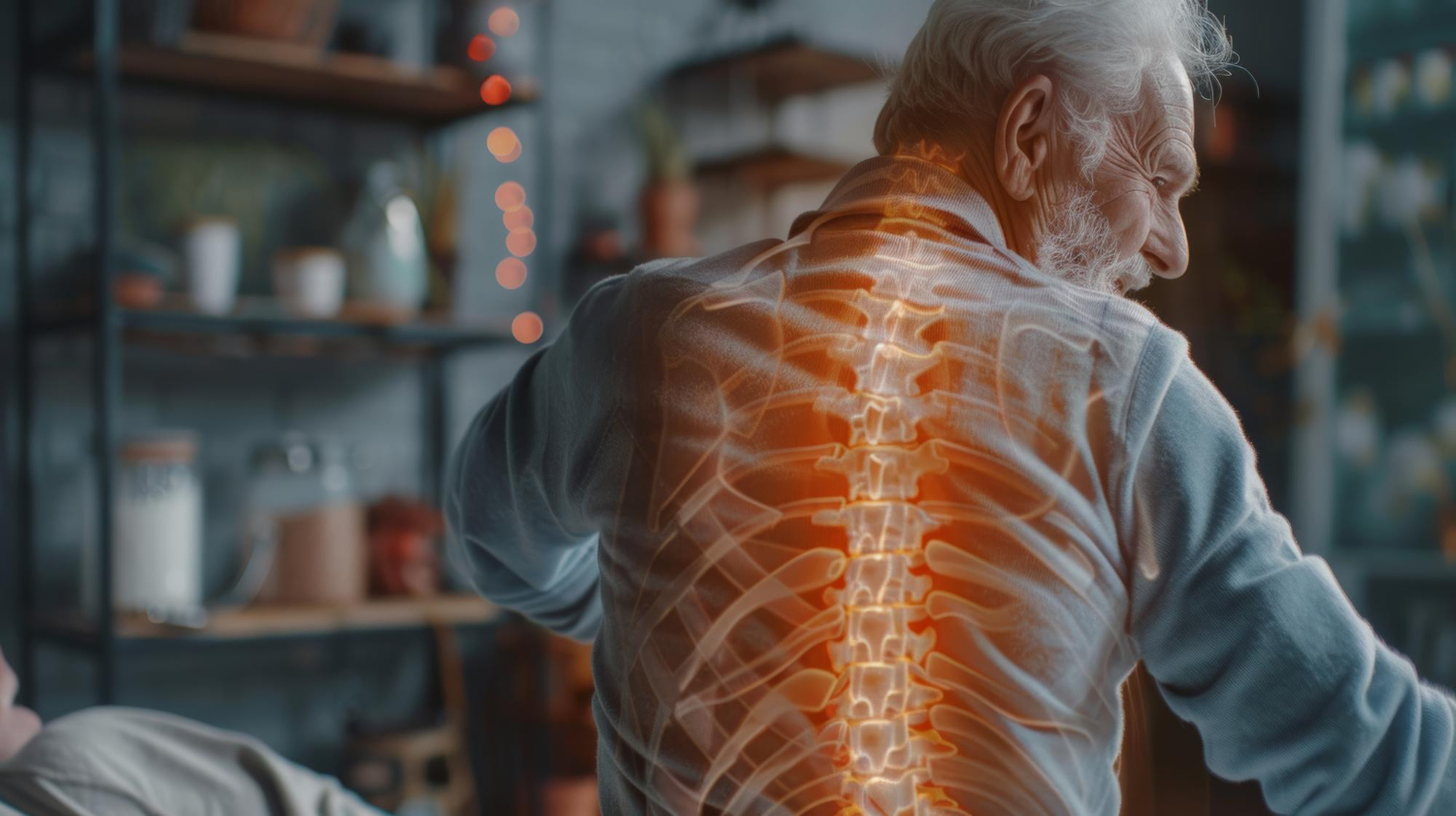
The curvature can affect posture, perceived height, and—in advanced cases—the ability to walk long distances without pain.
Symptoms indicating progression
Not all cases of adult scoliosis cause noticeable symptoms, but there are signs suggesting the curve is advancing or impacting quality of life:
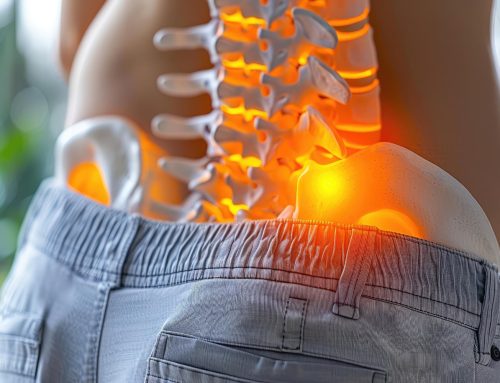
- Back pain that progressively worsens, especially when standing for long periods
- Constant back muscle fatigue
- Visible changes in posture or height
- Pain, numbness, or tingling radiating down to the legs
- Difficulty standing fully upright
Non-surgical treatment vs. when surgery is considered
The first step is almost always conservative management: physical therapy focused on core strengthening and posture improvement, pain management, and—in some cases—bracing for specific types of curves. Many patients live with mild to moderate scoliosis for years without needing surgery.
Surgery is considered when pain is significant and does not respond to conservative treatment, when there is documented evidence of curve progression (usually monitored via periodic X-rays), or when the curve begins to affect the patient’s neurological function or balance.
What to Expect from Scoliosis Correction Surgery
The surgical approach depends on the magnitude and complexity of the curve. Minimally invasive techniques are available for moderate curves to help reduce recovery time, whereas more severe or complex curves may require extensive correction involving instrumentation and bone grafting to stabilize the spine.
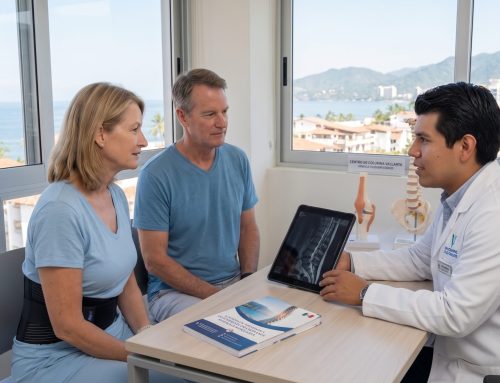
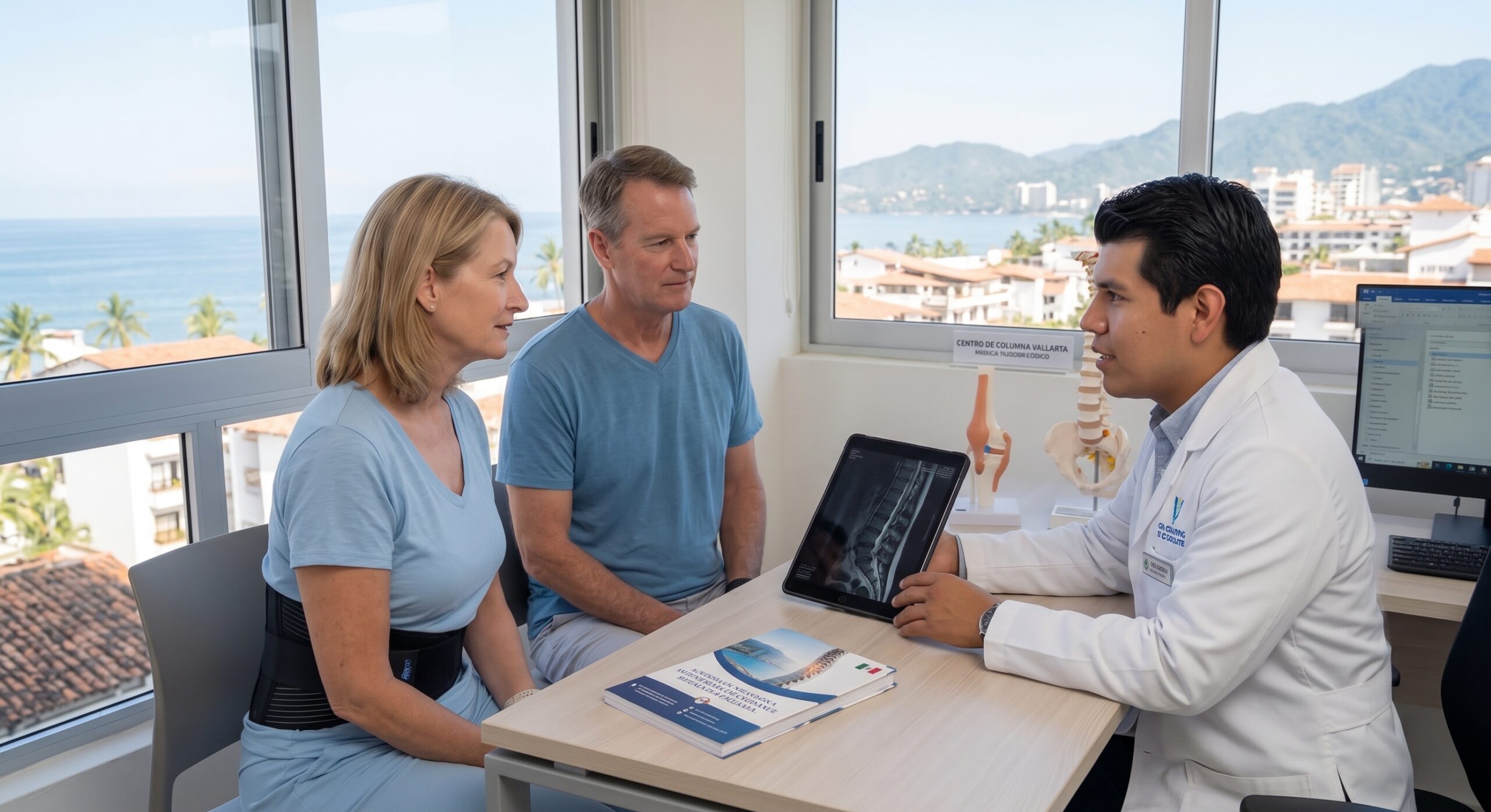
Each case is evaluated individually using detailed imaging studies before any surgical approach is recommended.
About Dr. Ricardo Martínez Pérez
Dr. Ricardo Martínez Pérez is a board-certified orthopedic surgeon specializing in spine surgery; he practices at OSSUM Traumatología y Ortopedia Avanzada in Puerto Vallarta. He holds certification from the CMOT, is a member of AMCICO, FEMECOT, and AO Spine, and has published peer-reviewed research in indexed medical journals.
If you have been diagnosed with scoliosis or notice changes in your posture, a timely evaluation helps determine the best course of action for your specific case.
To schedule a consultation, visit the contact page or message us via WhatsApp at +52 322 403 3000.
Frequently Asked Questions
Adult Scoliosis
Does adult scoliosis always worsen over time?
Not necessarily. Many mild curves remain stable for years. However, some curves—especially those greater than 40 degrees—can gradually progress and require periodic monitoring via imaging.
At what age is adult scoliosis most common?
Degenerative adult scoliosis typically appears after age 40–50 as a result of natural wear and tear on spinal discs and joints, unlike idiopathic scoliosis, which is detected during adolescence.
When is surgery considered for adult scoliosis?
Surgery is considered when there is significant pain that does not respond to conservative treatment, when the curve shows documented progression, or when it affects the patient’s neurological function, balance, or quality of life.
Is adult scoliosis surgery highly invasive?
It depends on the case. Minimally invasive techniques exist for moderate curves, whereas complex or advanced curves may require more extensive surgical correction. An individual assessment determines the appropriate approach.