

Sciatica: Causes, Symptoms, and Treatment in Puerto Vallarta
Sciatica is pain that originates in the lower back and radiates down the leg, following the path of the sciatic nerve. In most cases, it improves with conservative treatment; however, when pain persists or is accompanied by weakness, it is time for a specialist evaluation.
What is sciatica and why does it cause leg pain?
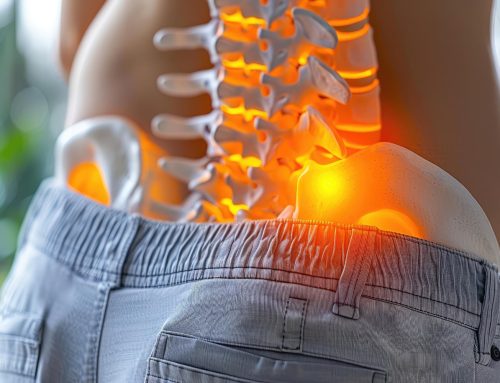
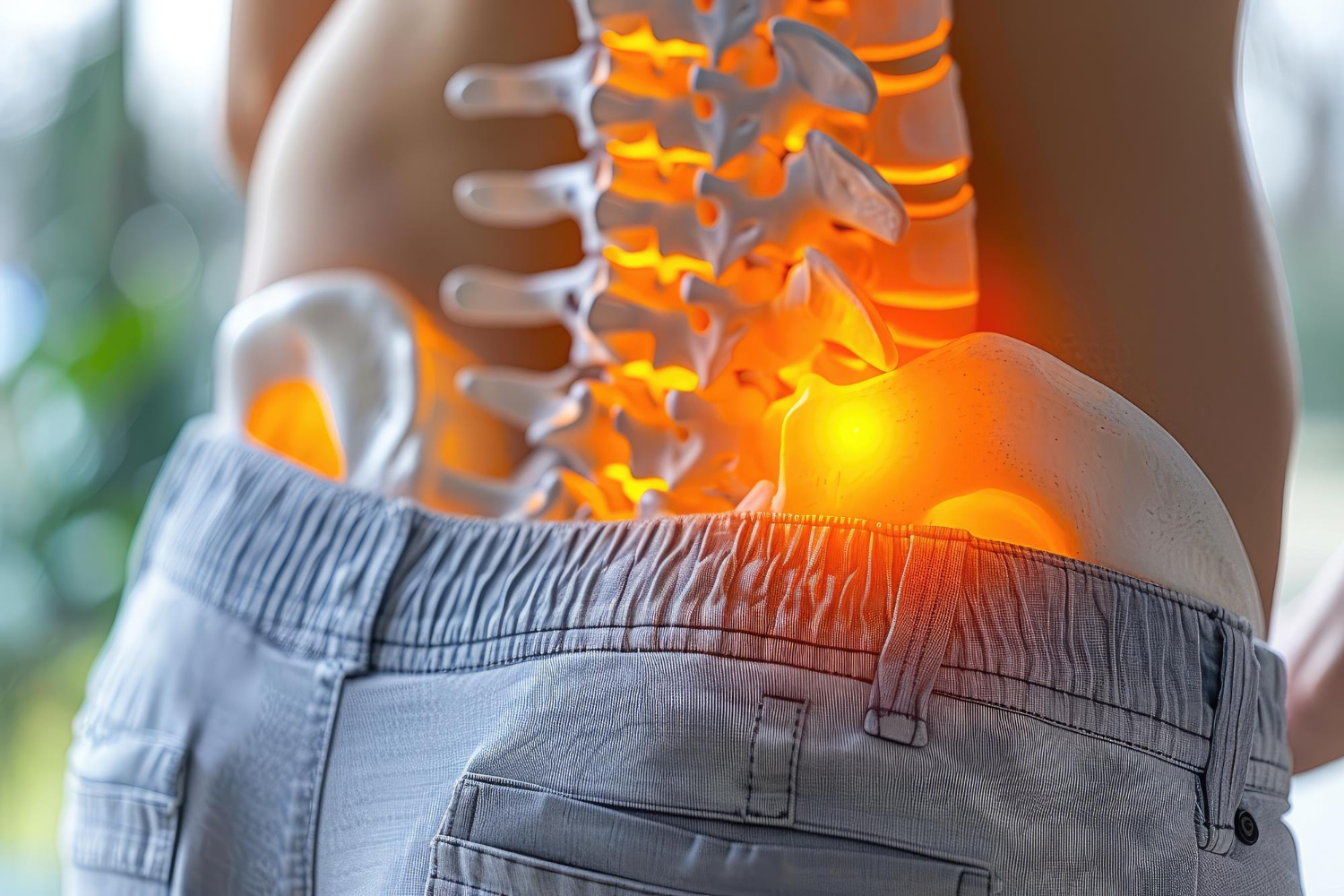
The sciatic nerve is the longest and thickest nerve in the body, running from the lower back down to the foot. When something compresses or irritates this nerve—usually near the lumbar spine—the pain does not remain localized; instead, it travels along the entire length of the nerve, causing pain, tingling, or numbness that can extend to the calf or foot.
It is important to understand that sciatica is not a disease in itself, but rather a symptom of an underlying spinal issue—most commonly a herniated disc or spinal stenosis.
Common causes of sciatica
Among the most frequent causes of sciatic nerve compression are:
- Lumbar disc herniation pressing directly on the nerve root
- Spinal stenosis, which narrows the space through which the nerve passes
- Spondylolisthesis (displacement of one vertebra over another)
- Piriformis syndrome, where a deep hip muscle irritates the nerve
- Age-related joint wear and tear
When sciatica pain requires seeing a specialist
Not all leg pain requires surgery; in fact, most cases resolve without it. However, there are signs indicating it is time to seek a specialized evaluation without delay:
- Pain persists for more than 6 weeks despite conservative treatment
- There is noticeable weakness in the leg or foot
- Loss of bladder or bowel control occurs (an urgent warning sign)
- Pain significantly interferes with sleep or daily activities
Treatment options: from conservative care to surgery
Sciatica treatment follows a stepped approach. It almost always begins with physical therapy, anti-inflammatory medications, and—in some cases—epidural injections to reduce inflammation around the nerve.
When these options are insufficient, or when significant compression confirmed by MRI is present, surgery is considered. Today, many cases of sciatica caused by a herniated disc can be resolved using minimally invasive techniques, which offer considerably shorter recovery times than traditional open surgery.
About Dr. Ricardo Martínez Pérez
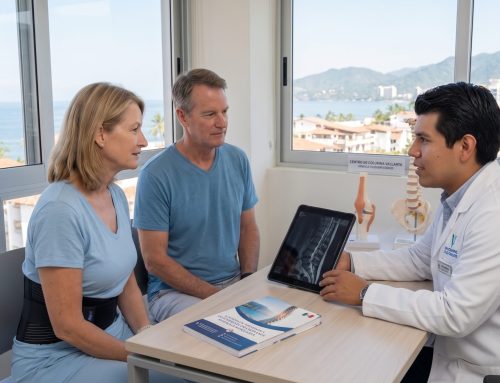
Dr. Ricardo Martínez Pérez is a board-certified orthopedic surgeon specializing in spine surgery; he practices at OSSUM Traumatología y Ortopedia Avanzada in Puerto Vallarta. He holds certification from the CMOT, is a member of AMCICO, FEMECOT, and AO Spine, and has published peer-reviewed research in indexed medical journals.
If sciatica pain is already affecting your daily life, schedule an evaluation to identify the exact cause and the treatment options available for your specific case.
To schedule your consultation, visit the contact page or message us via WhatsApp at +52 322 403 3000.
Frequently Asked Questions
Sciatica in Puerto Vallarta
Does sciatica always require surgery?
No. Most cases of sciatica improve with conservative treatment: physical therapy, anti-inflammatories, and specific exercises. Surgery is considered only when pain persists for more than 6–8 weeks despite treatment, or if there is a loss of strength or bowel/bladder control.
How do I know if my leg pain is sciatica and not something else?
Sciatica typically feels like pain radiating from the lower back or buttock down into the leg, sometimes accompanied by tingling or numbness. An accurate diagnosis requires a clinical evaluation and, in many cases, an MRI to confirm the exact cause.
How long does recovery take if surgery is needed?
With minimally invasive procedures for sciatica, many patients resume light activities within 2 to 4 weeks, achieving full recovery in approximately 6 to 8 weeks, depending on the specific case.
What happens if I don’t treat sciatica in time?
Ignoring prolonged sciatica can lead to permanent nerve damage in severe cases. If the pain does not improve within a few weeks, or if you experience muscle weakness or loss of sensation, it is important to seek a specialist evaluation as soon as possible.