
Spondylolisthesis: Causes, Symptoms, and Treatment
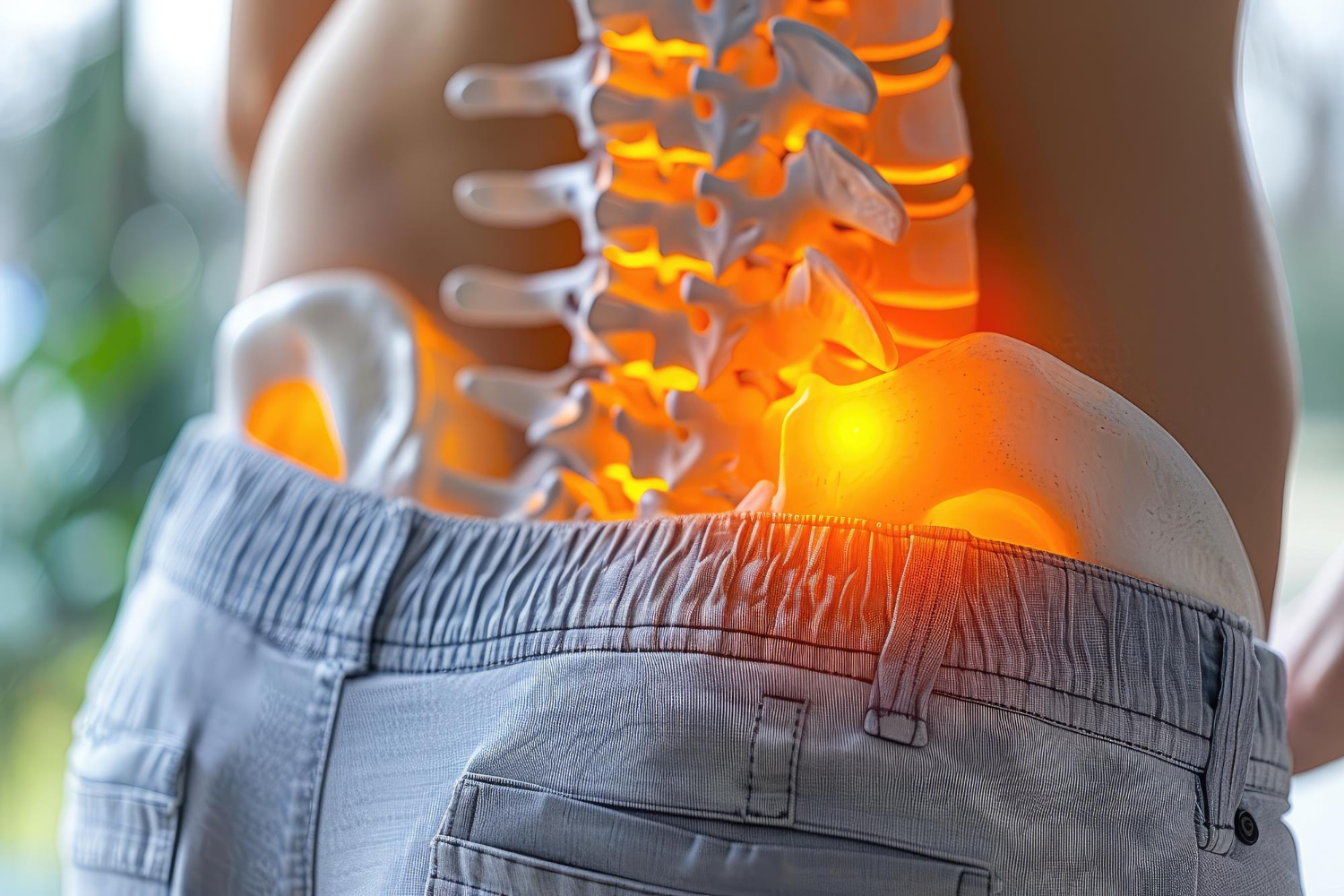
Spondylolisthesis occurs when a vertebra slips forward over the vertebra directly beneath it, which can cause lower back pain and, in some cases, nerve compression. Most mild cases are managed without surgery, but it is important to understand when a specialist evaluation is needed.
What is spondylolisthesis?
Spondylolisthesis is classified by grades based on the extent of the vertebral displacement: ranging from Grade 1 (mild) to Grade 4 (severe). It can result from age-related degenerative wear, a stress fracture in a specific part of the vertebra (spondylolysis), or be congenital in origin.
It is a lesser-known yet relatively common cause of chronic lower back pain and is frequently mistaken for other spinal conditions until confirmed by imaging studies.
Main symptoms
Symptoms vary depending on the degree of slippage and whether there is associated nerve compression:
- Lower back pain that worsens when standing or walking long distances
- Stiffness in the lower back
- Pain, numbness, or tingling radiating into the legs (similar to sciatica)
- A sensation of “tightness” in the hamstrings
- In advanced cases, noticeable changes in posture
Treatment options
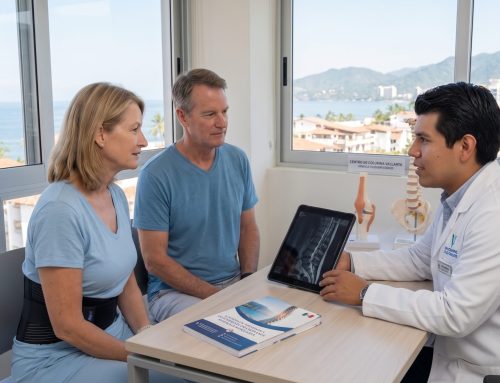
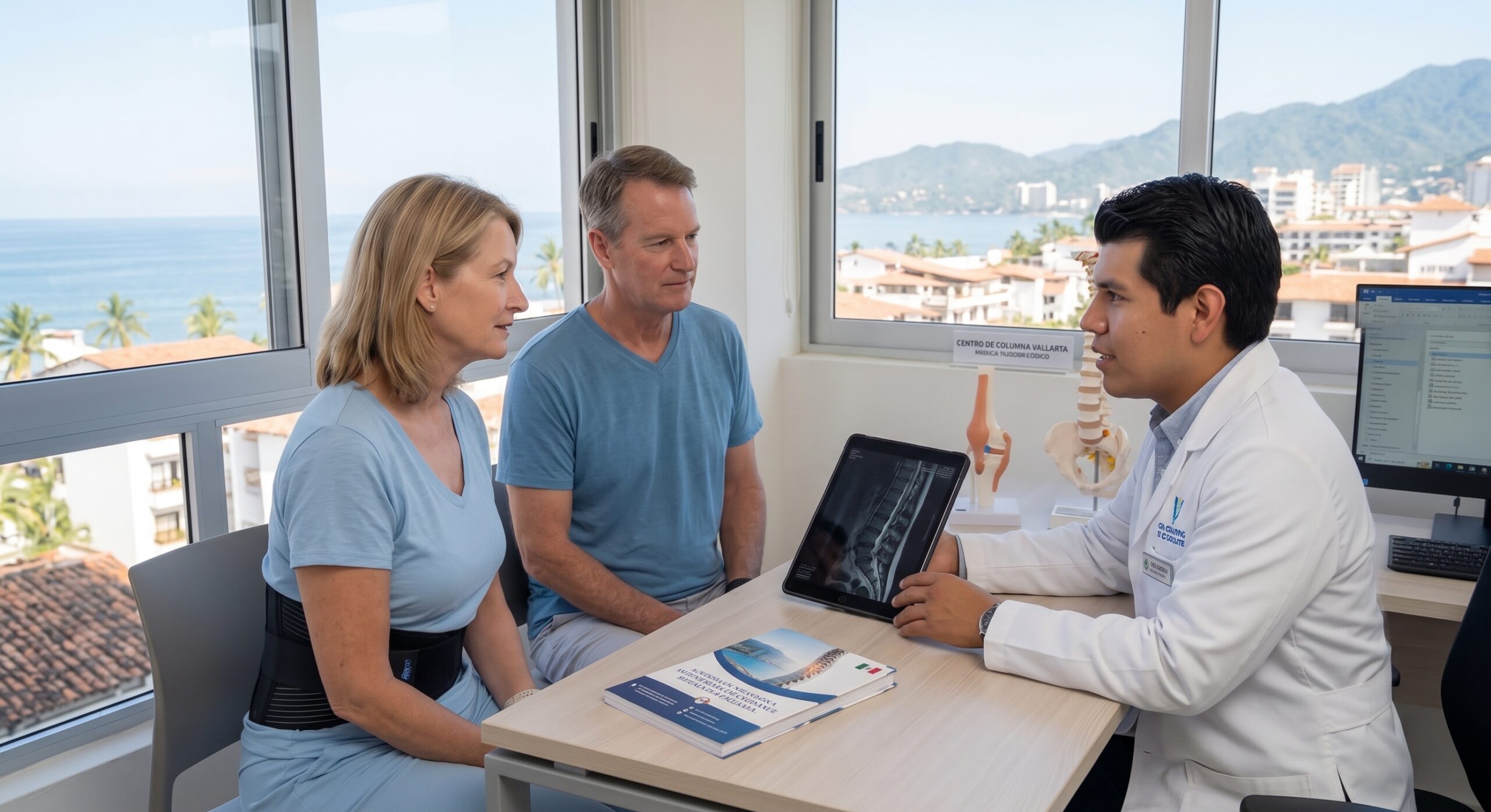
Initial treatment is almost always conservative: physical therapy focused on core strengthening, pain management, and, in some cases, the temporary use of a lumbar brace. Many patients with mild spondylolisthesis lead active lives without the need for surgery.
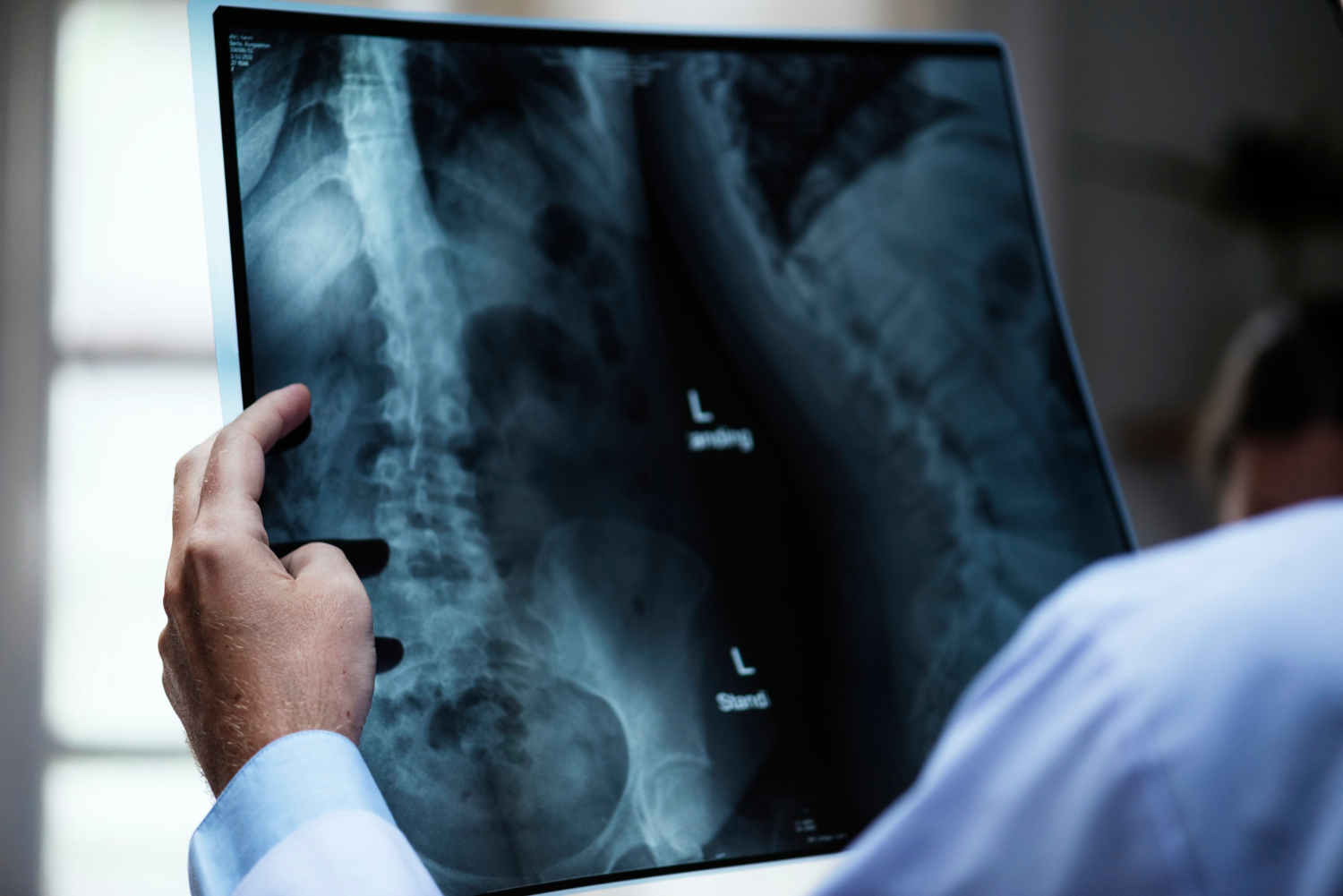
Surgery is considered when pain persists despite conservative treatment, when there is significant nerve compression, or when the slippage progresses as documented by X-rays. The most common approach is spinal fusion, which stabilizes the affected vertebrae and prevents further slippage.
About Dr. Ricardo Martínez Pérez
Dr. Ricardo Martínez Pérez is a board-certified orthopedic surgeon specializing in spine surgery; he practices at OSSUM Traumatología y Ortopedia Avanzada in Puerto Vallarta. He holds certification from the CMOT, is a member of AMCICO, FEMECOT, and AO Spine, and has published peer-reviewed research in indexed medical journals.
If you are experiencing persistent lower back pain and suspect it might be spondylolisthesis, an evaluation involving imaging studies can help confirm the diagnosis and determine the appropriate treatment.
To schedule a consultation, visit the contact page or message us via WhatsApp at +52 322 403 3000.
Frequently Asked Questions
Spondylolisthesis
Is spondylolisthesis the same as a herniated disc?
No. Spondylolisthesis involves the slipping of a vertebra over the one below it, whereas a herniated disc involves the extrusion of material from the intervertebral disc. Both can cause similar symptoms, but they are distinct conditions diagnosed through imaging studies.
Does spondylolisthesis always progress over time?
Not always. Many mild cases remain stable for years with conservative management. Periodic monitoring with X-rays helps detect any progression that might require a change in treatment approach.
When is surgery needed for spondylolisthesis?
Surgery is considered when there is persistent pain that does not respond to physical therapy and medication, when there is significant nerve compression, or when the vertebral slippage shows documented progression and affects spinal stability.
What type of surgery is used for spondylolisthesis?
The most common approach is spinal fusion, which stabilizes the affected vertebrae. In selected cases, minimally invasive techniques can be used, reducing recovery time compared to traditional open surgery.